 キシマ ケイ
How to enjoy Gunma Prefecture, which attracts foreign tourists: A complete guide to hot springs, nature, culture, and activities
Hello.
This time, 「せんりみち」 is proud to bring you an article titled 「How to enjoy Gunma Prefecture, which attracts foreign tourists: A complete guide to hot springs, nature, culture, and activities」 Here you go!
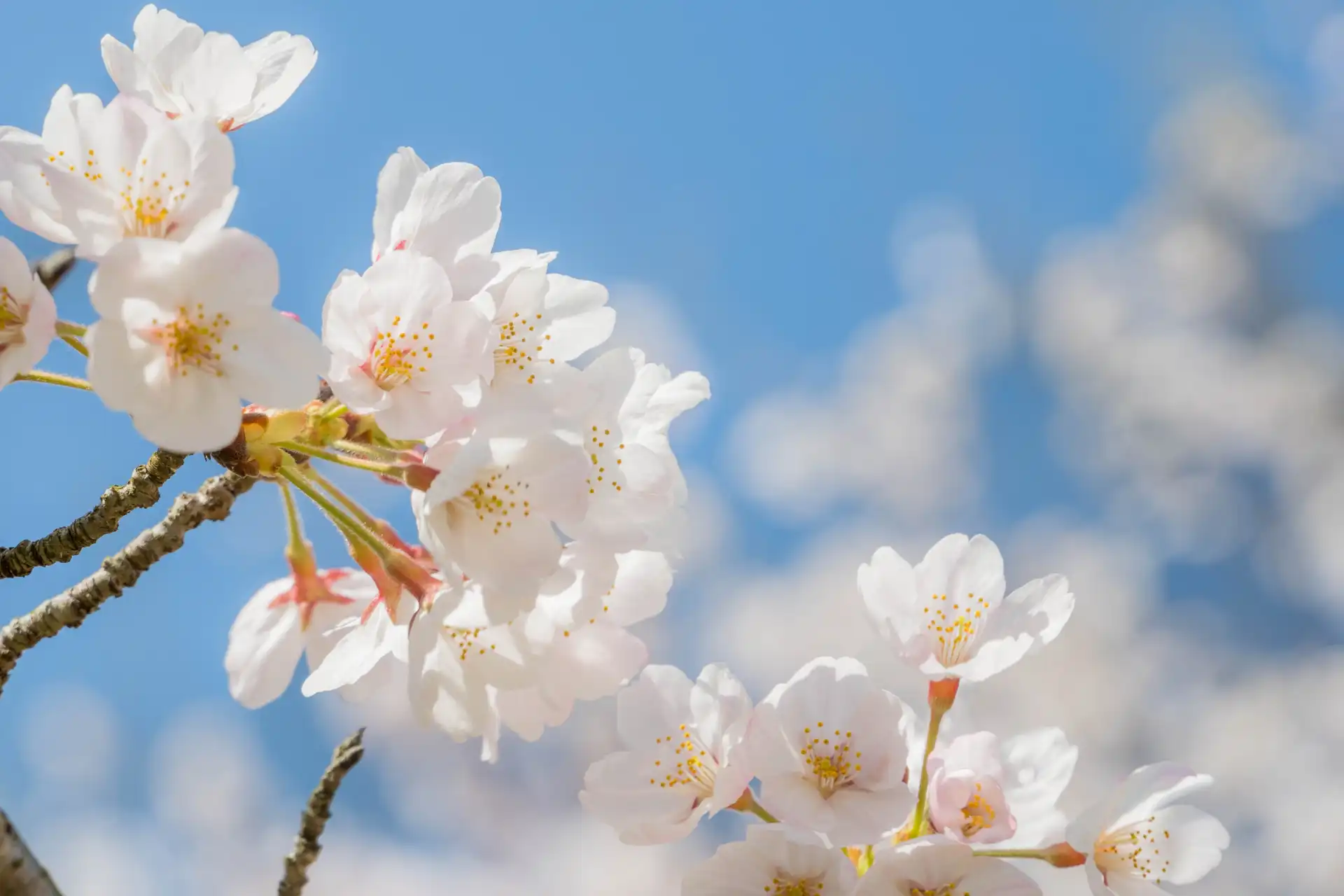
Gunma Prefecture is known as a hidden tourist treasure within Japan. However, it is still full of attractions that are not yet fully known by international travelers. This article explores Gunma Prefecture, which is becoming increasingly popular with foreign tourists, and provides a comprehensive introduction to its natural beauty, traditional culture, hot springs, activities, and access. For foreign residents in Japan and international travelers seeking an authentic Japanese experience, Gunma Prefecture is truly an "undiscovered pearl." With an increasing number of English-speaking facilities and multilingual guide support, Gunma Prefecture's potential as a tourist destination is rapidly expanding. This article comprehensively covers points to know before visiting, must-try activities during your stay, vegetarian and halal-friendly restaurants, and Instagram-worthy photo spots. After reading this article, you'll definitely want to add Gunma Prefecture to your travel itinerary.
Table of Contents
What is Gunma Prefecture?: Basic Information and Historical Background
Gunma Prefecture is located in the northwestern part of the Kanto region, approximately two hours from Tokyo by Shinkansen, express train, or car. The prefecture is characterized by its mountains and hot springs, with many high-altitude areas offering relatively cool summers and plenty of areas for skiing and snowboarding in the winter. While famous within Japan for hot springs like Kusatsu and Ikaho, Gunma is still relatively unknown among foreign tourists, making it an ideal place to quietly enjoy Japan's nature and culture. Gunma Prefecture was formerly known as Jomo, and has had a thriving textile industry since ancient times. During the Edo period, the Nakasendo road, an important highway, ran through the prefecture, making it a key transportation and commercial hub. Even today, traditional crafts and festivals that reflect this influence remain in various areas, contributing to its appeal as a tourist destination.
Natural beauty surrounded by plateaus and mountains
One of Gunma Prefecture's geographical features is that most of it is mountainous. With many famous mountains that are counted among Japan's 100 famous mountains, such as Mt. Tanigawa, Mt. Akagi, and Mt. Myogi, the prefecture has the perfect environment for mountain climbing, hiking, and stargazing. The seasonal views seen from the Mt. Tanigawa Ropeway are particularly spectacular and highly praised by photography enthusiasts. Many of the mountains have English guides, making it easy for foreign tourists to enjoy themselves.
Gunma's Hot Spring Culture: Kusatsu Hot Springs and Its Charm
When talking about Gunma Prefecture, Kusatsu Onsen is a must-see. Counted as one of Japan's three most famous hot springs, Kusatsu Onsen has long been a popular destination for visitors seeking therapeutic baths due to its highly effective properties. Today, it is being developed as a tourist destination, with many inns and hotels offering foreign language support. In the center of Kusatsu is a plaza called the "Yubata," where the sight of rising smoke and the smell of sulfur are iconic features of the area. You can also observe and try out the traditional hot spring temperature regulation technique known as "yumomi," which is extremely popular with foreign tourists.
There are many other attractive hot springs besides Kusatsu
In addition to Kusatsu Onsen, there are many other unique hot spring resorts scattered around the country, including Ikaho Onsen, Minakami Onsen, and Shima Onsen. Each has its own unique spring quality and atmosphere, allowing for a different experience each time you visit. Many accommodations offer information in English, Chinese, and Korean, and have English-speaking staff on hand, making for a comfortable stay for foreigners.
Cultural Experience: Traditional Townscapes and Crafts
Gunma Prefecture is rich in culture and tradition, and you can see the silk-related industry, especially around Ikaho. Tomioka City is home to the Tomioka Silk Mill, which is also registered as a World Heritage Site. Here, you can learn about Japan's progress in modernization during the Meiji period while touring the former silk mill site. Traditional crafts such as Jomo Karuta and Kiryu weaving are still alive and well, and there are several craft experience facilities where you can actually try them out. Kiryu City's traditional dyeing and weaving workshops offer English guided tours, making explanations easy for foreigners to understand.
Nature activities: skiing, mountain climbing, rafting
It's no exaggeration to say that Gunma Prefecture is a paradise for activities. You can enjoy skiing and snowboarding in the winter, and mountain climbing, canoeing, and rafting in the summer. In particular, in the Minakami area, you can experience authentic rafting using the current of the Tone River, which is quietly gaining popularity among foreign tourists. These activities often come with English-speaking tour guides, so they can be enjoyed by beginners and advanced riders alike. Equipment rentals are also available, so you can participate without having to bring anything with you.
Eco-tours that teach while having fun are also popular
Eco-tours, which allow you to learn about nature while having fun, are also becoming increasingly popular. You can enjoy Gunma's magnificent nature through activities such as forest therapy at Mount Akagi and night tours where you can observe the stars.
Foreigner-friendly tourism infrastructure and services
Gunma Prefecture is rapidly developing its tourism infrastructure. An increasing number of tourist information centers are now staffed with English-speaking staff, and major tourist destinations are equipped with Wi-Fi. For foreign visitors concerned about transportation access, the EN Bus (a sightseeing bus with English guides) and the Japan Rail Pass are being offered. Multilingual signs have also been installed at major stations, such as JR Takasaki Station and Jomo Electric Railway, greatly reducing travel anxiety.
Food experience: Gunma's unique cuisine and accommodating service
Gunma Prefecture is rich in nature and produces high-quality vegetables, fruits, and meat, making its food culture using local ingredients one of its attractions. While "Joushu Wagyu beef," "konjac dishes," and "Mizusawa udon" are famous dishes, an increasing number of restaurants are also offering "vegetarian" and "halal" cuisine tailored to foreigners. Some restaurants near Takasaki Station have English menus and pictograms, making ordering easy for international travelers. There are also a number of restaurants that cater to vegans and gluten-free diets.
The food culture of hot spring inns that surprises foreigners
Many hot spring inns offer Japanese kaiseki cuisine for dinner, which includes local wild vegetables and fish dishes, providing a fresh surprise even to foreigners experiencing Japanese cuisine for the first time.
Deep experiences through traditional events and festivals
Gunma hosts many festivals and events throughout the year. There are plenty of opportunities to experience local culture, especially at the Cherry Blossom Festival at Numata Castle Park and the "Seven Lucky Gods Tour" in Ota City. Many of these events offer English-language guided tours and distribute pamphlets aimed at foreign visitors.
Photogenic tourist spots
For foreign tourists, one of the great pleasures of travel is the element of "taking great photos." Gunma Prefecture has many spots that are perfect for social media, including the Shima River, with its crystal clear waters known as "Shima Blue," Lockheart Castle, a medieval European-style stone building, and the Usui Third Bridge (Megane Bridge). Another unique charm of Gunma is the beauty of each season, with cherry blossoms in spring, autumn leaves in autumn, and snowy landscapes in winter.
How to choose a place to stay and recommended accommodations
For foreign tourists, the choice of accommodation greatly affects the comfort of their trip. Gunma Prefecture offers a wide variety of options, from hot spring inns to guesthouses, capsule hotels, and even business hotels from overseas chains. In hot spring areas such as Kusatsu and Ikaho, accommodations that offer English and Chinese language support, as well as small inns with experiential accommodation, are also popular. There are also plenty of private lodging services like Airbnb, allowing you to enjoy interacting with local residents.
Access information to Gunma Prefecture and preferred transportation methods
There are various ways to get to Gunma Prefecture from Tokyo, including the Shinkansen, limited express trains, and rental cars. It takes about 50 minutes by Shinkansen to Takasaki. To get to Kusatsu or Shima Onsen, the basic route is by train and bus, but direct buses for foreigners have recently started operating. Access from Narita Airport or Haneda Airport is important for tourists from overseas, and in addition to direct bus and train routes, guided sightseeing tours are also available.
Local communication environment and infrastructure
Gunma Prefecture has free Wi-Fi installed in major tourist facilities, stations, shopping areas, and other locations. Many accommodations also rent out LTE-compatible Wi-Fi routers, so you'll rarely have trouble getting online. Local tourism apps and facility reservation sites are increasingly available in English, and the convenience of being able to complete everything from planning your trip to making payments using just your smartphone is also appealing.
summary
Gunma Prefecture is one of Japan's leading tourist destinations, packed with abundant nature, skin-beautifying hot springs, and a deep history and tradition. Easily accessible from central Tokyo, yet still relatively unknown to foreign tourists, it's an ideal destination for those seeking a quiet, authentic experience. The prefecture's infrastructure, including English-speaking guides, gourmet food, activities, and accommodations, is steadily improving, creating an environment where foreign visitors can travel with peace of mind. Be sure to add Gunma Prefecture to your itinerary for your next domestic trip or when hosting guests from overseas.
Today's article was How to enjoy Gunma Prefecture, which attracts foreign tourists: A complete guide to hot springs, nature, culture, and activities from 「せんりみち」.
We hope that you will also discover new knowledge from the #tag keywords below.