 キシマ ケイ
Get to know Nara Prefecture: A special domestic travel experience in Japan's ancient capital that impresses foreign tourists
Hello.
This time, 「せんりみち」 is proud to bring you an article titled 「Get to know Nara Prefecture: A special domestic travel experience in Japan's ancient capital that impresses foreign tourists」 Here you go!
While major cities like Kyoto and Tokyo are certainly appealing to foreign tourists visiting Japan, we recommend Nara Prefecture for a deeper experience of history and culture. Once Japan's capital, this region boasts over 1,300 years of history, numerous World Heritage Sites, national treasure-class temples and shrines, and a natural coexistence with deer. This article offers a wide range of information from the perspective of inbound tourists, including the attractions of Nara Prefecture, must-see spots, access, experiences, area-specific features, and recommended dining and accommodation options. We also touch on English and other language services, as well as concerns and solutions for international tourists, to help all travelers enjoy this ancient capital with peace of mind. The value of visiting Nara Prefecture lies in experiencing the culture and spirit that is said to be the origin of Japan, combined with the modern services that complement it. Read this article to discover why Nara is attracting so many travelers from around the world.
Table of Contents
What is Nara Prefecture? What is its appeal to foreign tourists?
Nara Prefecture is located in the Kinki region and borders Kyoto Prefecture, Osaka Prefecture, Mie Prefecture, and Wakayama Prefecture. It's close to both Kyoto and Osaka, and can be reached by train in about 30 to 60 minutes, making it easy to fit into your travel plans. And above all, Nara is Japan's oldest capital, and flourished as a political and cultural center during the Nara period.
High historical value
Nara Prefecture is home to numerous temples and shrines, including the "Historic Monuments of Ancient Nara," which is registered as a World Heritage Site, and many of these have a history of over 1,000 years. Famous examples include the Great Buddha Hall of Todaiji Temple, Kasuga Taisha Shrine, Kofuku-ji Temple, and Yakushi-ji Temple, each of which displays deep faith, architectural skill, and artistry.
A tourist destination that coexists with nature
More than 1,200 deer live in Nara Park alongside the people, and for many foreign tourists, this becomes an unforgettable memory for them as "a city where you can interact with deer." A space like this, where animals, nature, and history come together, is extremely rare even on a global scale.
Facilities and services that are friendly to foreign tourists
In response to the recent increase in inbound demand, the area has been improving its environment to make it more comfortable for foreign tourists, with multilingual signs (English, Chinese, Korean), AI audio guides, tourist information provided via QR codes, and free Wi-Fi zones.
Popular tourist spots in Nara Prefecture among foreigners
Todai-ji Temple
When you think of Nara, you think of Todaiji Temple. The Great Buddha Hall, one of the world's largest wooden structures, is a popular spot for foreign tourists. The gigantic Great Buddha statue is a sight to behold, and is the perfect first step into Japanese Buddhist culture.
Nara Park
Nara Park, which has a vast area, is a great place to come into contact with deer. You can buy deer crackers and feed them directly, and this experience has been highly praised by many foreign tourists. It is also a popular photo spot.
Kasuga Taisha Shrine
Kasuga Taisha is a historic shrine founded in the Nara period, characterized by its vermilion-lacquered shrine building and beautiful rows of stone and hanging lanterns. The mysterious and sacred atmosphere captivates visitors.
Kofuku-ji Temple
Kofuku-ji Temple's symbol is its five-story pagoda, which is sometimes lit up at night. The National Treasure Museum displays many Buddhist statues, with the Ashura statue being particularly popular.
Naramachi district
Naramachi, lined with cafes and shops that have been renovated from old houses, is less crowded with tourists than Kyoto and is recommended for those who want to enjoy the Japanese atmosphere in a quiet setting. You can experience the local charm while experiencing traditional townhouses.
Access and transportation to Nara Prefecture
Access from Osaka and Kyoto
Nara Prefecture does not have an airport, so access is mainly from Osaka (Kansai International Airport, Itami Airport) or Kyoto. By train, the main routes are the Kintetsu Nara Line and the JR Yamatoji Line. It is most efficient to visit Nara the day after visiting Universal Studios Japan or Osaka city.
How to get around the prefecture
There are many areas in Nara city that are walkable, and sightseeing buses such as the "Gurutto Bus" that connect tourist spots are easy to use. One-day passes are also available for foreigners.
Experience-based activities you can do in Nara
Experience copying sutras and Zen meditation
At temples such as Todaiji and Yakushiji, you can try out copying sutras and Zen meditation. This is a valuable opportunity to experience Japanese culture and spirituality, and many foreigners return to these experiences on a regular basis.
Japanese sweets making experience
Naramachi also has a workshop where you can learn how to make Japanese sweets from local artisans, and create your own beautiful sweets that express Japan's unique four seasons.
Kimono and yukata experience
Many kimono rental services offer English support, and photo shoots at Todaiji Temple and Kasuga Taisha Shrine are popular combinations.
Recommended gourmet food in Nara Prefecture
Persimmon leaf sushi
Persimmon leaf sushi, a famous local dish of Nara, is popular with foreign tourists for its easy-to-eat size and flavor. It also makes a great souvenir, and some stores offer demonstrations to help you make it.
Nara pickles
With the rise of fermented foods, Nara pickles are also gaining attention, and are especially popular among tourists, who are in high demand for vegan and vegetarian foods.
Wagyu beef dishes (Yamato beef)
Nara Prefecture's unique brand of beef, Yamato Beef, has attracted attention among famous chefs in the Kansai region, making it the perfect place for tourists to enjoy local Japanese cuisine.
Accommodation: Hotels and Inns Recommended for Foreigners
Options ranging from budget to luxury
There are a variety of accommodations to suit the needs of foreign tourists, from affordable guesthouses to historic hot spring inns. The number of hotels with English-speaking staff on-site is also increasing.
Experience-based accommodation
This accommodation, housed in a renovated townhouse that is over 100 years old, allows you to experience Japanese life and interact with local residents. Even if you don't speak the same language, the warm hospitality is highly rated.
How to enjoy Nara Prefecture in each season
Spring: Cherry Blossom Spots and Festivals
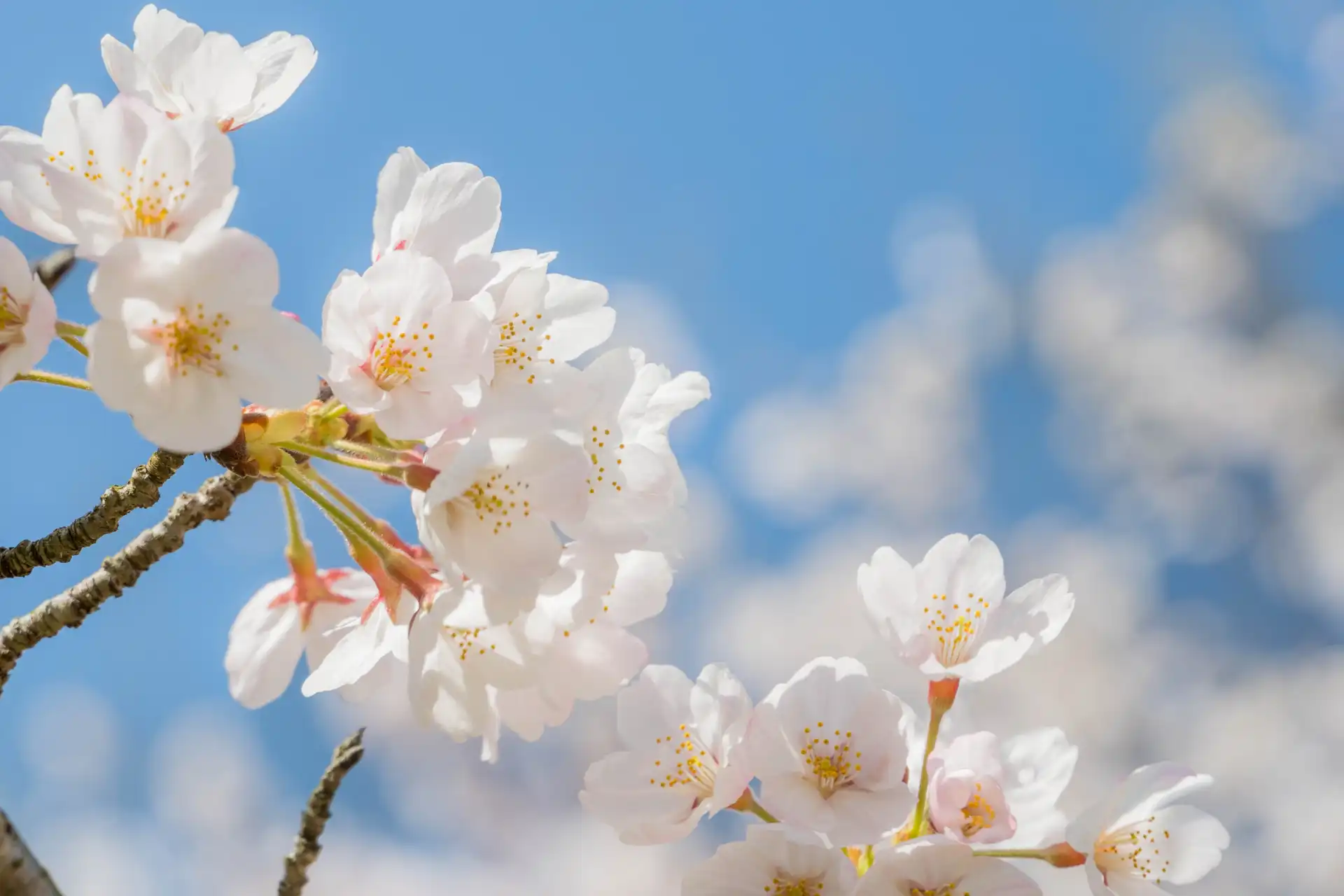
The thousand cherry blossoms of Mount Yoshino are world-famous, attracting many foreign tourists during the blooming season. Nara Prefecture also offers unique spring events such as the "Omizutori" (water-drawing ceremony) and "Yamayaki" (burning of the mountain).
Summer: The quietness of the ancient capital
In the summer, you can spend a luxurious time listening to the sounds of cicadas in the mountainous areas or temple gardens. Participating in festivals in yukata is also a popular experience.
Autumn: The harmony of autumn leaves and Buddhist statues
The contrast between the autumn leaves and the temples and shrines is breathtaking, and the best time to see it is usually from late October to mid-November. The evening illumination events are also popular.
Winter: Silence and a magical snowscape
The snow-covered Todaiji Temple and Kofukuji Temple are known among photography enthusiasts for their photogenic scenery, and as long as you take precautions against the cold, you can enjoy the sights comfortably.
The charms and challenges of Nara from a foreigner's perspective
Attractions: Cultural depth and healing
One of the attractions of Nara is that it allows you to escape the hustle and bustle, quietly face the Buddha statues, and take time to reflect on yourself. Many travel bloggers say that Nara is the best place to understand Japan's spiritual culture.
Issue: Improving English information
There are some temples that have few English information boards or pamphlets despite their historical value, so further efforts are needed from local governments and private companies.
Manners and points to know before visiting
Important points to note when interacting with deer
Deer are treated as sacred animals, and although they are accustomed to humans, any actions that cause stress to them are prohibited. In particular, handling food or riding on their backs are prohibited, and everyone is asked to understand this.
Etiquette at temples and shrines
There are uniquely Japanese etiquette rules, such as how to wash your hands and how to put your offerings in. There are also simple guided tours available, and these hands-on tours will help you deepen your understanding.
summary
Nara Prefecture is more than just a tourist destination; it's a sacred place where you can experience Japanese culture and spirit. For foreign visitors, it will be a special experience where you can feel the richness of Japanese history and faith in a tranquil setting, in harmony with modern times. With easy access to major tourist attractions, a multilingual service, and charms that change with the seasons, Nara has a magical power that allows it to show a different side to you every time you visit. By combining the tourist spots and experiences introduced here, you can experience an experience that you won't find in a simple guidebook. With its deep history, kind people, beautiful scenery, and sacred atmosphere, here are the reasons why Nara remains in the hearts of travelers from all over the world. Be sure to include Nara in your future travel plans.
Today's article was Get to know Nara Prefecture: A special domestic travel experience in Japan's ancient capital that impresses foreign tourists from 「せんりみち」.
We hope that you will also discover new knowledge from the #tag keywords below.
- Inbound
- Water-drawing
- Gurutto Bus
- Naramachi
- Sutra copying e...
- Senbonzakura
- Cultural assets...
- Mount Yoshino
- Making Japanese...
- Yamato beef
- Nara Park
- Nara pickles
- Nara Prefecture
- Mountain burnin...
- Zen meditation ...
- Kasuga Taisha S...
- Todaiji Temple
- Persimmon leaf ...
- Kimono rental
- Kofuku-ji Templ...
- Interacting wit...