 キシマ ケイ
The true value of Aomori Prefecture that attracts foreign visitors: Tips for traveling to enjoy nature, culture, and food
Hello.
This time, 「せんりみち」 is proud to bring you an article titled 「The true value of Aomori Prefecture that attracts foreign visitors: Tips for traveling to enjoy nature, culture, and food」 Here you go!
Japan still boasts many hidden charms that are unknown to the world. Among these, Aomori Prefecture continues to captivate foreign visitors with its rich nature, traditional culture, seasonal scenery, and warm-hearted hospitality. This article offers a detailed introduction to how to enjoy Aomori Prefecture from the perspective of foreign travelers. It offers information on the true value of Aomori, from how to plan your trip to information on interpretation and transportation, to recommended tourist spots and cuisine. It also includes ideas for conveying Aomori Prefecture in a way that is easy to understand for English-, Chinese-, and Korean-speaking travelers, making it a complete guide for making domestic travel a truly rewarding experience for foreign visitors.
Table of Contents
What is the appeal of Aomori Prefecture?
Aomori Prefecture is located at the northernmost tip of Honshu, and is home to natural scenery that changes dramatically with the seasons, a food culture nurtured by the bounty of the sea and mountains, and the simple, warm lifestyle of the people that is unique to Tohoku. These are all very fresh experiences for foreigners, and make a strong impression as Japan's "unknown charm."
A diverse natural environment that can be enjoyed throughout the four seasons
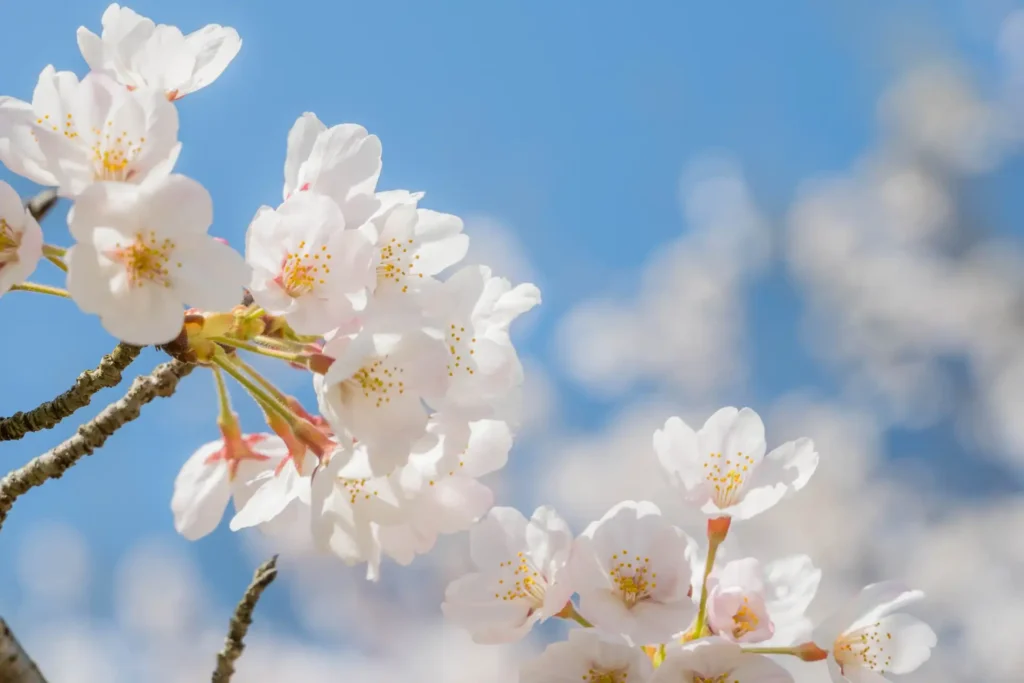
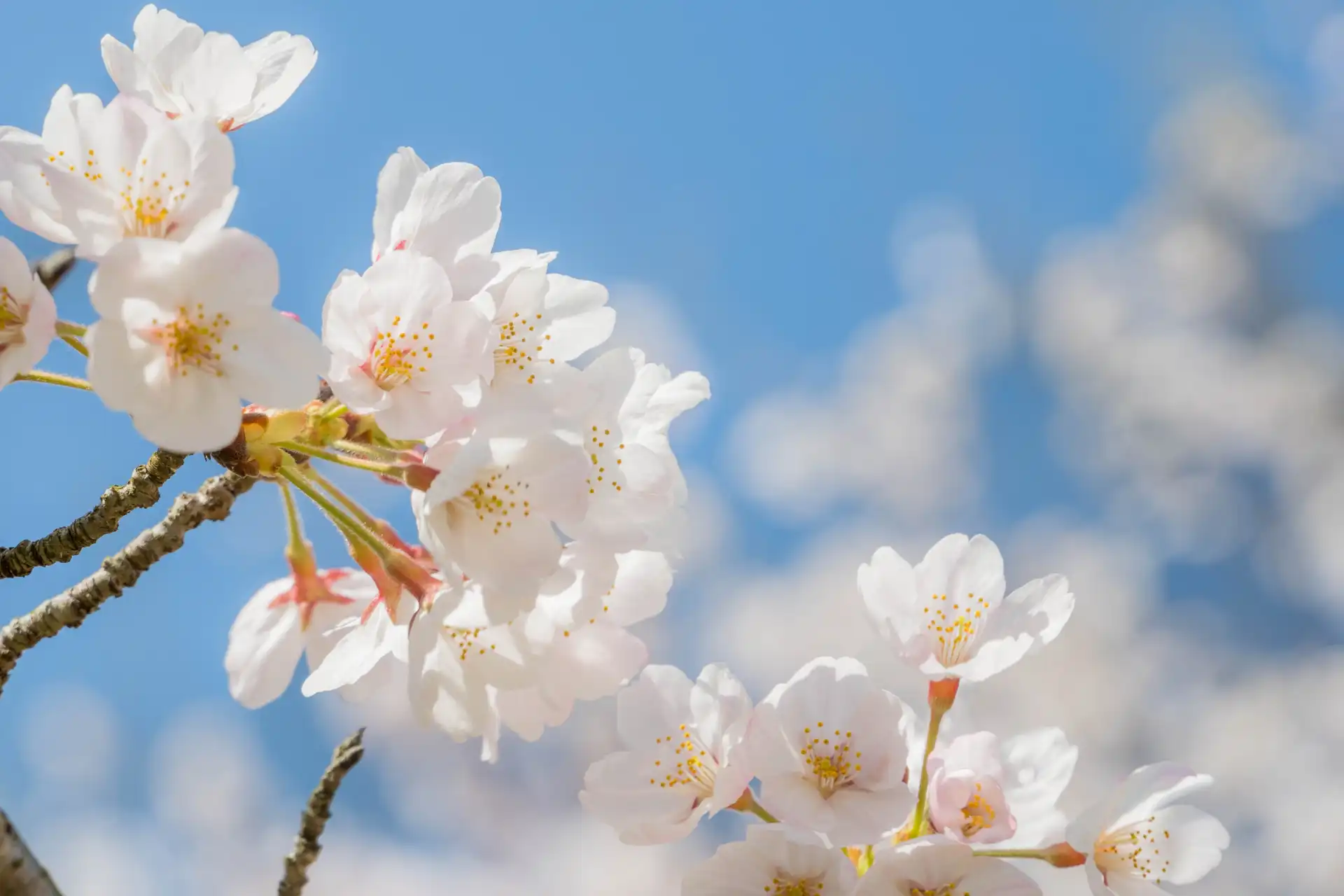
You can enjoy the cherry blossoms at Hirosaki Castle in spring, the Nebuta Festival in summer, the autumn leaves of Mt. Hakkoda in autumn, and the snow-covered landscapes and frost-covered trees in winter. For travelers from Southeast Asia and South America who have little experience of snow, Aomori's winter will be an overwhelmingly otherworldly experience.
Rich cultural and historical background
Aomori is also a place where the heritage of the Jomon period remains strong. The Sannai-Maruyama Ruins are a prime example, and are registered as a UNESCO World Heritage Site. In addition, the castle town culture of Hirosaki City, traditional crafts such as the Tsugaru shamisen and Kogin embroidery, and festival culture represented by Nebuta provide a valuable opportunity for foreign tourists to learn about Japanese culture.
Recommended access methods for foreign tourists
Aomori Prefecture is located far from metropolitan areas such as Tokyo and Osaka, so access planning is extremely important. Transportation information for smooth travel greatly affects the quality of the overall travel experience for foreigners.
Using the Shinkansen
It takes about three hours to get from Tokyo to Aomori on the Tohoku Shinkansen "Hayabusa." The station is fully equipped with multilingual signs and information desks, making it very convenient. In particular, using the Japan Rail Pass (JR Pass) will help you keep costs down and give you greater freedom of movement.
Combining flights and rental cars is also recommended.
Aomori Airport and Misawa Airport offer smooth access to Kansai and Hokkaido. Furthermore, since local trains and buses are infrequent, travelers with international driver's licenses should consult a guide to rent a car.
Barrier-free local transportation
Aomori Prefecture is working with the national government to promote tourism by expanding multilingual support at tourist information centers, stations, and tourist spots. In particular, the expansion of information boards and pamphlets in English, Chinese, and Korean is helping to guide tourists so they don't get lost.
Must-visit tourist spots in Aomori Prefecture for foreigners
Aomori Prefecture is so large that it is important to select tourist destinations that suit the length of stay and interests of the traveler. It is necessary to create the best itinerary based on the range of interests, such as cultural experiences, nature sightseeing, hot springs, etc.
Hirosaki Castle and its Cherry Blossom Festival
If you visit Hirosaki in the spring, you can't miss the cherry blossoms at Hirosaki Castle. Known as one of Japan's three most famous cherry blossom viewing spots, it is crowded with tourists from overseas when in full bloom. The scenery created by the castle, cherry blossoms, and Mount Iwaki in the background is truly a magnificent Japanese view.
Aomori Nebuta Festival
The Nebuta Festival in Aomori City, held every August, is one of Japan's most famous summer festivals. Giant lanterns called "Nebuta" are paraded around the city, and foreign visitors are overwhelmed by their impressive sights. Many tour companies offer tour plans with explanations in English.
Lake Towada and Oirase Gorge
Lake Towada and the Oirase Gorge, with their beautiful autumn foliage, are truly a soothing paradise for travelers who love nature. Oirase in particular has well-maintained walking trails that you can explore on foot, and you can take a guided tour while listening to explanations about the plants and topography.
Art of Snow and Ice: Mount Hakkoda and Sukayu Hot Springs
The "Snow Monsters" that form on Mt. Hakkoda's frost-covered trees are becoming increasingly popular around the world as a winter highlight. At the adjacent Sukayu Onsen, you can experience hot spring culture, with explanations available in English. The mixed bathing style is also unusual, and many cultural questions are received.
Local cuisine popular with foreigners
Aomori's food culture is interesting to foreigners and has many hidden attractions, including fresh seafood, Tsugaru miso ramen, and local cuisine.
Fresh seafood and sushi
You can enjoy fresh seafood caught at Hachinohe Port and Aomori Port. Nodoguro (rosy seaperch), salmon roe, and scallops are especially popular. There are also an increasing number of sushi restaurants with English menus, and you can check reviews on booking sites for peace of mind.
Apples and their processed products
Aomori is known for its apples. For foreign visitors, not only apple pie and apple juice, but also unique processed products such as apple curry and dressing are highly valued experiences. Tourist farms also offer apple harvesting experiences, making this the perfect place to create memorable memories of your trip.
Local dishes "Keno-jiru" and "Senbei-jiru"
Regional cuisine unique to each region is popular among foreigners as a cross-cultural experience. Local restaurants in Hirosaki and Hachinohe offer guided dining plans where you can learn about the history and meaning of the cuisine while you dine.
Cultural experiences and local interaction
Foreign tourists' satisfaction increases when they not only "see" tourist spots but also "experience" them. Aomori offers a wide range of cultural experience programs.
Tsugaru Shamisen Experience
In addition to playing the instrument, you can also experience playing it yourself. In the Tsugaru region, local groups hold shamisen workshops, which are popular with both domestic and international tourists.
Kogin embroidery experience
Kogin embroidery is a folk art that can only be done in Aomori, and even beginners can create high-quality pieces by visiting a workshop with English explanations.
Apple picking experience and farm stay
Farm stays are also popular as a form of green tourism, and experiences on an apple orchard and eating at a Japanese home dinner table will make for a special trip that you won't get to experience in urban areas.
How to overcome the language barrier?
The number of foreign tourists in Aomori Prefecture is increasing every year, and language support is also improving accordingly.
Multilingual guide and audio guide
Major tourist destinations have multilingual guides in Japanese, English, Chinese, and Korean, and an increasing number of places are also offering audio guides via smartphone apps.
Translation apps and Wi-Fi environment
Many JR stations and tourist spots in Aomori Prefecture have free Wi-Fi, and you can easily communicate with local people using Google Translate and VoiceTra.
Local support to help you plan your trip
It is important to understand the local support system in order to avoid any problems before or during your trip.
Utilizing the Aomori Tourism and International Association
The Aomori Tourism and International Association, which speaks English and Chinese, has expert staff on hand to make suggestions based on your travel goals and interests. Offline maps and train timetables are also available, which are very useful.
Medical and emergency support
There is also a medical interpretation system for foreigners and information on travel insurance consultation services, so you can rest assured in case of an emergency.
Recommended model plans
We will suggest travel plans for Aomori based on your travel period and interests.
3-day model plan
Day 1: Hirosaki (Castle, Koginzashi) → Day 2: Oirase Gorge, Lake Towada → Day 3: Aomori City (Nebuta House Wa-Rasse, Fish Market, Sukayu Onsen)
5-day nature and culture experience plan
Days 1 and 2: Mt. Hakkoda and the ropeway → Day 3: Misawa Aviation Science Museum and Aomori Port → Day 4: Tsugaru Railway and Tachineputakan → Day 5: Goshogawara Farm Stay
summary
Aomori Prefecture is likely to attract more and more attention from foreign tourists as a place where they can experience the depth of Japan and its local charms. From snowy landscapes to festival culture and the bounty of the mountains and seas, this region is packed with a wide variety of travel pleasures, offering discoveries and impressions that cannot be found anywhere else. While there are many challenges, such as access and language barriers, it is a place worth overcoming to travel to. Aomori is a city that leaves a deep impression on visitors, making them want to return. Let's spread the word about its charms to people all over the world with the help of these travel tips and model itineraries.
Today's article was The true value of Aomori Prefecture that attracts foreign visitors: Tips for traveling to enjoy nature, culture, and food from 「せんりみち」.
We hope that you will also discover new knowledge from the #tag keywords below.