 キシマ ケイ
Ibaraki Prefecture is rapidly gaining popularity among foreigners! A comprehensive guide to its attractions and must-visit spots
Hello.
This time, 「せんりみち」 is proud to bring you an article titled 「Ibaraki Prefecture is rapidly gaining popularity among foreigners! A comprehensive guide to its attractions and must-visit spots」 Here you go!
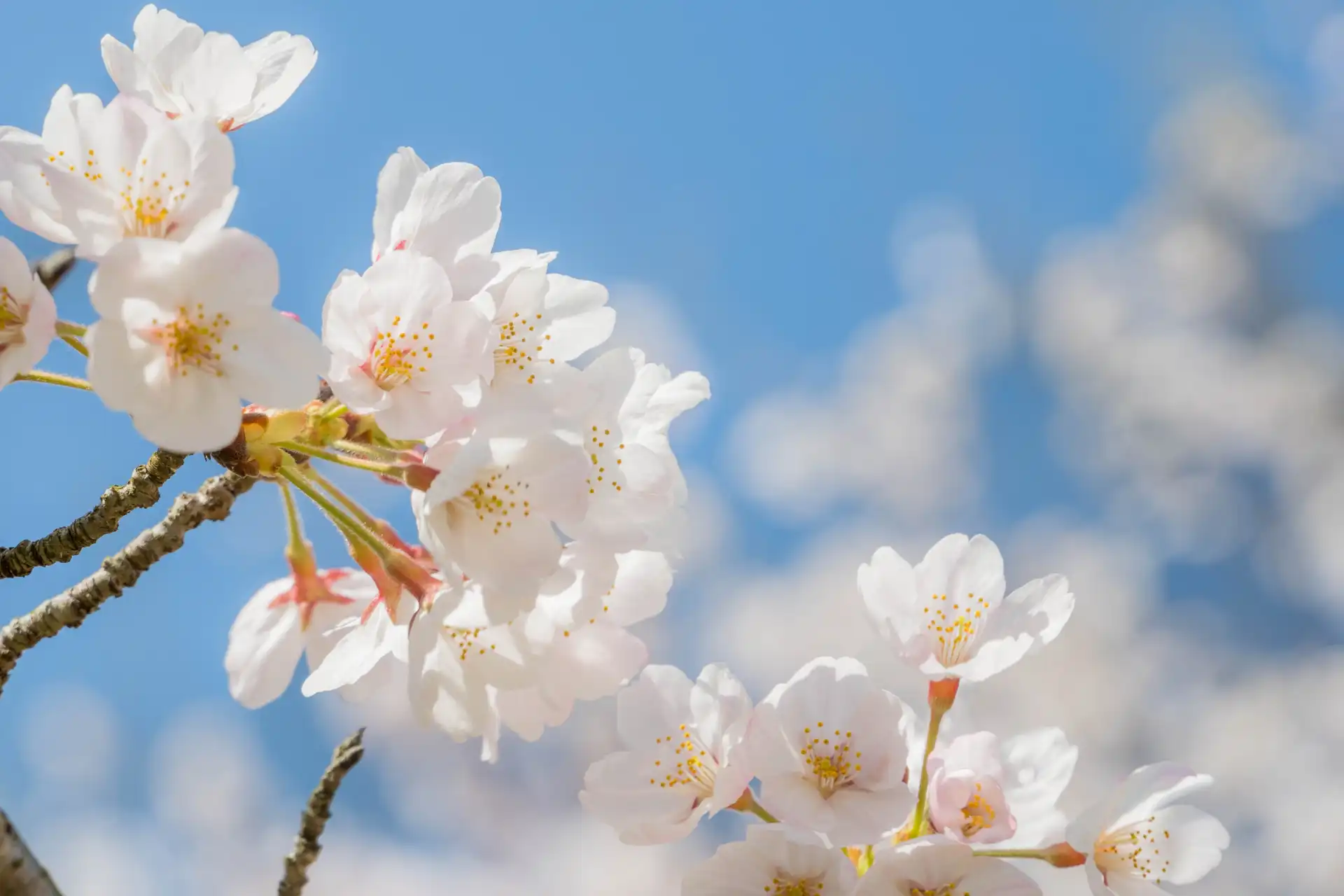
While Japan is dotted with fascinating tourist destinations, Ibaraki Prefecture has been gaining attention, especially from foreign travelers, in recent years. Easily accessible from Tokyo, Ibaraki Prefecture is rediscovering itself as a hidden tourist destination offering a balanced blend of nature, history, culture, and cuisine. This article carefully explains the spots and experiences that foreign travelers can enjoy to the fullest in Ibaraki, tailored to their cultural backgrounds and travel styles. We suggest a trip that will allow you to fully enjoy Ibaraki, not only visiting the classic tourist spots but also interacting with local people and experiencing local culture. Ibaraki has a multifaceted appeal that extends beyond tourism, including agriculture, crafts, and hot springs, and has the potential to become even more acclaimed in the future. We invite you to explore the depths of Ibaraki through this article.
Table of Contents
What kind of place is Ibaraki Prefecture?
Geography and Access of Ibaraki Prefecture
Ibaraki Prefecture is located in the northeastern part of the Kanto region, approximately 1-2 hours by train or car from central Tokyo. Its easy access from the metropolitan area is a major attraction for tourists visiting Japan, and there is a direct express bus from Narita Airport, making the transportation network particularly convenient for foreigners. Ibaraki is also blessed with a rich natural environment, with a diverse range of terrain including mountains, rivers, lakes, and the sea.
How to enjoy the area depending on the weather and season
Ibaraki is an area with four distinct seasons, and each season offers tourists a different side of the city: cherry blossoms and nemophila in spring, the sea and fireworks in summer, autumn leaves and harvesting experiences in fall, and hot springs and illuminations in winter. Spring and autumn are especially photogenic for foreign visitors, making them the perfect times to post on social media.
Why is Ibaraki Prefecture attracting attention from foreigners now?
Changing trends and untapped charm
As tourist destinations in major cities like Tokyo, Kyoto, and Osaka become crowded, an increasing number of foreigners are seeking more local, authentic Japanese culture experiences. Ibaraki Prefecture meets this need, and its value as a tourist destination is being reassessed. Furthermore, as part of inbound tourism measures, the prefecture is making progress by installing English signage and deploying multilingual staff, creating an environment that is easier for foreigners to travel in.
Diversification of travel styles
There has also been a shift from short, whirlwind trips to "slow travel," which allows for deeper exposure to local culture and nature. Ibaraki Prefecture has the advantage of not attracting as many tourists as big cities, allowing visitors to experience local life and culture in a relaxed atmosphere. This area is perfect for an experience-oriented travel style, with activities like farming experiences, cooking local cuisine, and visiting local festivals.
Top 10 tourist attractions recommended for foreigners
1. Hitachi Seaside Park
It is especially famous for its nemophila flowers in spring and kochia flowers in autumn, and is a tourist spot with picturesque scenery. Its beauty has spread among foreigners through the media and social media, and it is recognized as a "dream land" for visitors to Japan. There are English pamphlets and audio guides available in the park, so even first-time visitors to Japan can feel at ease.
2. Kairakuen
This historic garden is counted among Japan's three most famous gardens, and is especially popular during plum season, when over 3,000 trees of approximately 100 varieties bloom. It is popular with culture-minded foreigners as a place where you can experience the beauty of a Japanese garden and historical culture. Tokiwa Shrine is also located nearby, so you can also learn about Japanese customs.
3. Oarai Isosaki Shrine
The Kamiiso Torii, standing in the sea, is known as a famous sunrise spot and is a photo spot that combines religious sanctity with natural beauty. It has also appeared in anime and movies, and is popular with foreigners interested in otaku culture. We recommend visiting early in the morning.
4. Mount Tsukuba
Counted as one of Japan's 100 most famous mountains, you can easily enjoy nature and spectacular views by hiking or taking the cable car. The panoramic view of the Kanto Plain from the summit is very appealing to foreigners living in the city. Tsukuba Shrine is also located at the summit, allowing you to experience Japanese religious culture.
5. Ibaraki Prefectural Museum of Natural History
There are dinosaur fossil exhibits and interactive events, making it an ideal place for foreigners visiting Japan on a family trip. The exhibits are available in English, making it useful for children's education.
6. Kasama Inari Shrine
This historic shrine is one of Japan's three major Inari shrines, and you will be overwhelmed by the beauty and majesty of its grounds. If you visit it together with Kasama, a town famous for its pottery, you can also experience Japanese craft culture.
7. Ushiku Daibutsu
The 120-meter-tall Great Buddha statue is listed in the Guinness Book of World Records as one of the largest in Asia. Its scale and the Buddhist exhibits inside make an impression even on foreigners with no religious background.
8. Itako Iris Festival
This festival, held every June, features a fantastical boat ride called "Yomeiri-bune" in the iris garden, which is extremely popular with foreigners. It is also popular for taking Instagram-worthy photos.
9. Aqua World Ibaraki Oarai Aquarium
The aquarium is packed with exhibits that utilize the latest technology, and boasts one of the largest shark exhibits in Japan. Multilingual audio guides are available, so you can enjoy the aquarium without worrying about language barriers.
10. Ryujin Suspension Bridge
It has become a hot topic in Europe and the US as a spot where you can try the thrilling bungee jumping, and has received high praise from travelers looking for an active experience.
Popular experiences and activities for foreigners
Pottery experience (Kasama)
The experience of making your own original pottery is a perfect memory of your trip. There are classes available in English, so even beginners can enjoy it.
Agricultural experience
In Chikusei City and Tsuchiura, you can experience seasonal fruit picking and rice planting. Farm stays are also available, allowing you to stay at local farms, and many foreigners are attracted to the local lifestyle and culture.
Miso and sake brewery tours
In Mito and Yuki, tours of miso and sake breweries that continue to make the traditional methods are popular. Tours with English interpretation are also available, and you can enjoy tastings.
Experience Ibaraki's unique food culture
Anglerfish hotpot
A popular local dish in winter, monkfish is packed with collagen and is a favorite among health-conscious foreign tourists. Oarai Town has many specialty restaurants, and even offers tours that include cooking experiences.
Natto dishes
Natto is a fermented food that has mixed reviews among foreigners, but there are plenty of easy-to-eat dishes for beginners, such as natto croquettes and natto rolls. There is even a restaurant in front of Mito Station that specializes in natto dishes.
Accommodation situation for foreigners
Multilingual Hotel
There are many hotels in Mito and Tsukuba that offer English and Chinese language services. Hotel New Tsutaya and Daiwa Roynet Hotel Mito are highly rated.
The appeal of Japanese inns and guesthouses
Japanese inns, where you can enjoy Japanese-style rooms, hot springs, and kimono-wearing, as well as farm-stay-style guesthouses, are especially popular with foreign tourists who want to experience Japanese culture firsthand.
Tips for traveling in Ibaraki
How to choose your transportation
The JR Joban Line is the main means of transportation, and it has good access to tourist spots. However, some areas require a car, so we also recommend using a rental car. Multilingual services such as "Japan Rental Car" are becoming more common for foreigners.
Wi-Fi and SIM card information
Free Wi-Fi is available at major stations and tourist destinations, and there are plenty of prepaid SIM cards available for purchase at airports and stations. You can also travel safely by using translation and navigation apps.
Share the highlights of Ibaraki Prefecture on social media
Full of photogenic spots
There are many Instagrammable spots, such as the blue nemophila at Hitachi Seaside Park, the Kamiiso Torii Gate, and the autumn leaves of the kochia, and the number of tourists visiting for the purpose of taking photos is rapidly increasing.
Use hashtags
By posting about the places you've visited with hashtags such as "#VisitIbaraki" and "#ExploreJapan," you can reach more people with the information and also expect word-of-mouth effects.
summary
Ibaraki Prefecture has not received much attention as a tourist destination until now, but as an area packed with nature, culture, history, gourmet food, and experiences, it is expected to attract more and more interest from foreign tourists in the future. Easily accessible from Tokyo, it can accommodate a variety of plans, from short one-day trips to stays of several days. By visiting, you can discover the "true face" of Japan – that is the one and only charm of Ibaraki. Ibaraki Prefecture offers experiences that exceed traveler expectations, so be sure to add it to your list of next travel destinations.
Today's article was Ibaraki Prefecture is rapidly gaining popularity among foreigners! A comprehensive guide to its attractions and must-visit spots from 「せんりみち」.
We hope that you will also discover new knowledge from the #tag keywords below.
- Aqua World Oara...
- Anglerfish hotp...
- Slow Travel
- Nemophila
- Bungee jumping
- Hitachi Seaside...
- Photogenic
- Kairakuen Garde...
- Miso brewery to...
- Oarai Isosaki S...
- Itako Iris Fest...
- Ushiku Great Bu...
- Ryujin Suspensi...
- Kasama Inari Sh...
- Mount Tsukuba
- Natto dishes
- Ibaraki Prefect...
- Ibaraki Prefect...
- Agricultural ex...
- Pottery experie...