 キシマ ケイ
What is the appeal of Saga Prefecture that we recommend to foreigners seeking a more advanced Japanese experience? A comprehensive guide to sightseeing, hot springs, culture, and cuisine
Good morning.
This time, 「せんりみち」 is proud to bring you an article titled 「What is the appeal of Saga Prefecture that we recommend to foreigners seeking a more advanced Japanese experience? A comprehensive guide to sightseeing, hot springs, culture, and cuisine」 Here you go!
Japan is home to countless beautiful tourist destinations, but the true charm of Japan lies hidden in its "hidden gems" in the countryside. One such "hidden gem" is Saga Prefecture, a region brimming with elements of "deep Japan," a place accustomed to domestic travel and aspires to experience for the next time. Located in northern Kyushu, Saga Prefecture combines historic hot springs, traditional industries, beautiful nature, and unique local cuisine. While not yet as internationally renowned as Tokyo, Kyoto, or Osaka, this makes it an ideal destination for international travelers seeking a taste of the quiet, rustic Japanese culture. This article provides a comprehensive and easy-to-understand introduction to Saga Prefecture's tourist attractions, cultural experiences, hot springs, cuisine, access methods, and recommended accommodations for international travelers. This article will answer the question, "What is Saga?" with confidence. It's sure to be useful for international travelers looking to explore Japan's deeper side, as well as for Japanese people guiding international guests.
Table of Contents
What is Saga Prefecture like? Basic information to convey its charms to foreigners
Location and natural environment of Saga Prefecture
Saga Prefecture is located in the northwest of Kyushu, bordering Fukuoka Prefecture to the east and Nagasaki Prefecture to the west. With a relatively small population of just over 800,000, and not overly urbanized, the prefecture is characterized by an abundance of nature and a laid-back atmosphere. It borders the Ariake Sea and the Genkai Sea, both part of the Sea of Japan. The Ariake Sea in particular is famous for its tidal flats, and has a natural environment that is unique even within Japan.
Climate and best season to visit
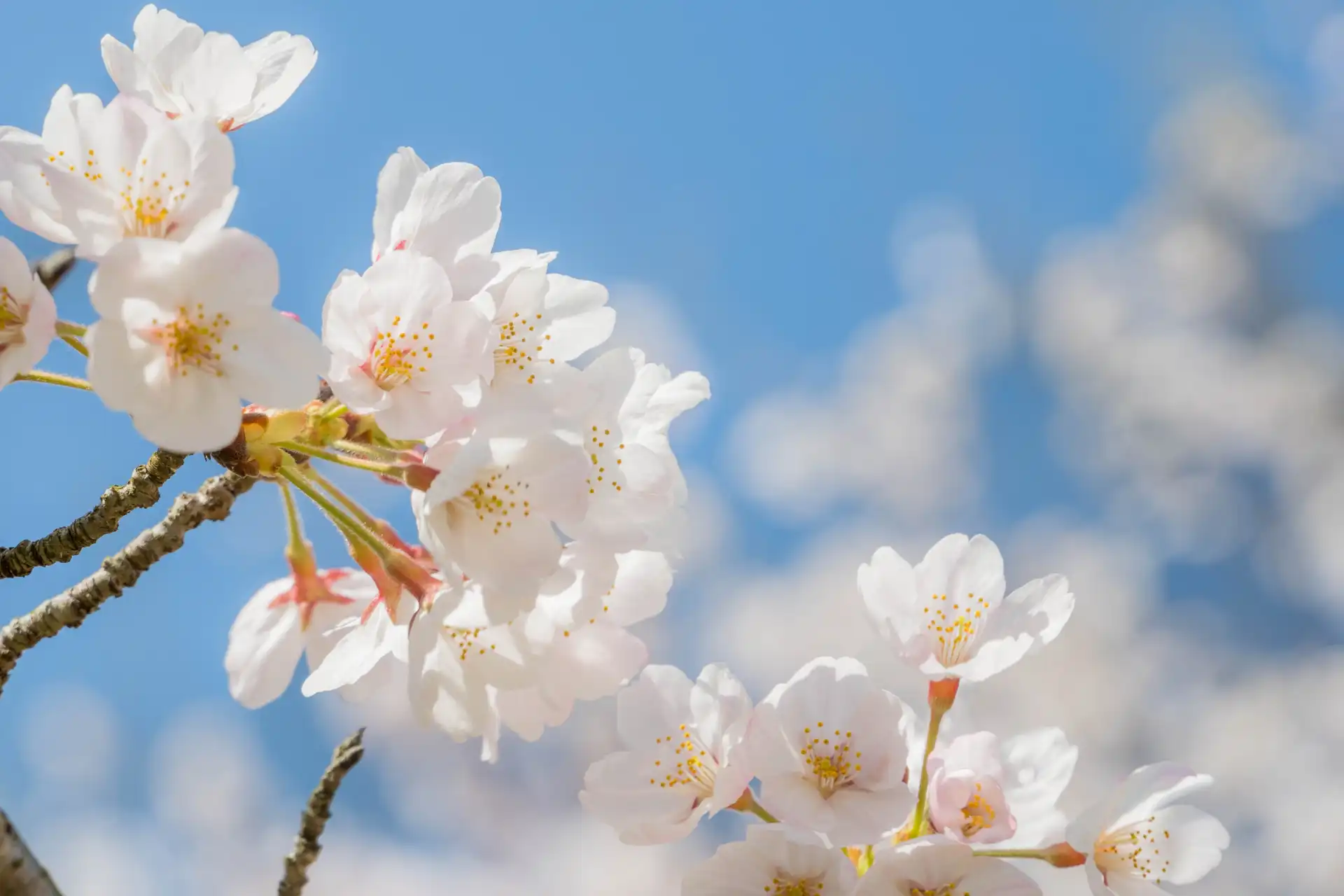
Saga Prefecture has a mild climate, allowing you to experience the charm of each season. Spring and autumn are particularly pleasant, and are the seasons when you can enjoy natural beauty such as cherry blossoms and autumn leaves. Summer is hot and humid, so it's not suitable for outdoor enthusiasts, but you can still enjoy leisure activities at the sea or river. Winters are relatively warm, with little snow. For foreigners, the best times to visit are during the cherry blossom season in spring (March to April) or autumn (October to November), when it's easy to enjoy museums and historical sites.
Major tourist spots in Saga Prefecture that foreigners should visit
Experience ancient Japan at the Yoshinogari ruins
Yoshinogari Ruins is a historical park where the remains of a large settlement from the Yayoi period have been restored. It is a valuable place where you can come into contact with ancient Japanese culture, including bronzeware, earthenware, and raised-floor storehouses, and is particularly popular with foreigners interested in culture and history. There are also English guide signs, and hands-on learning is available. There is also a corner where you can try on ancient clothing, making it a photogenic spot.
Spectacular views of Karatsu Castle and Karatsu Bay
Karatsu Castle stands on a small hill overlooking the beautiful Karatsu Bay, and is a scenic spot that is also known as the "castle floating on the sea." In spring, the cherry blossoms bloom in full bloom, and the quintessentially Japanese scenery captivates the hearts of foreign visitors. There are many Japanese-style cafes and souvenir shops in the surrounding area, and renting a kimono and strolling around is also very popular.
Arita and Imari, the towns of ceramics
Arita and Imari are famous for Japan's world-renowned ceramics. Here you can experience ceramics, a traditional craft with over 400 years of history. It is perfect for "experience-based tourism" for foreigners, with activities such as the Arita Pottery Market, tours of kilns, and pottery experience classes. There is also an information center that can speak English, so even beginners can enjoy themselves with peace of mind.
Hot spring spots especially popular with foreigners
The smooth water quality of Ureshino Onsen
Ureshino Onsen is known as one of Japan's three great hot springs for beautiful skin, and is characterized by its alkaline simple springs that are gentle on the skin. It is especially popular with foreign women, and many inns offer English support. The hot spring town is also charming, with restaurants dotted around where you can sample local cuisine. There are also plenty of day-trip hot springs, making it an appealing option for casually enjoying the famous hot springs.
Takeo Onsen's historical architectural beauty and the allure of its hot springs
Takeo Onsen boasts a history of 1,300 years, and its famous Takeo Onsen Tower Gate was designed by Tatsuno Kingo, a master of Japanese architecture. This tower gate is a popular subject among foreign photographers. It is a rare spot where you can experience the fusion of modern architecture and Japanese style, and English pamphlets are available inside.
The World of Saga Cuisine: Local Flavors that Surprise Foreigners
Yobuko's squid dishes are served fresh from a fish tank
Yobuko squid, known as "transparent squid," can be a shocking dining experience for foreigners. Fresh squid sashimi is transparent and sometimes even moves, making it a great topic of conversation about differences in food culture. Most stores have menus with photos, and English menus are also available, so you can order with confidence.
Saga Beef: The world-renowned champion of Japanese Black Beef
Saga beef is a high-quality Japanese Black beef that ranks highly in the national wagyu beef rankings. It can be enjoyed in a variety of ways, including steak, sukiyaki, and shabu-shabu. It is often served at high-end restaurants in Saga City and Karatsu, and is considered a "high-end Japanese dining experience" for foreigners.
Cultural experience facilities recommended for foreigners
Saga International Balloon Fiesta Experience
Held every autumn, this Balloon Fiesta is one of Asia's largest hot air balloon competitions. Hundreds of balloons gather from all over the world, creating a colorful landscape that fills the sky. It's a photogenic and extraordinary experience for foreign tourists, and multilingual tours are available.
Sake brewery tour and sake tasting
Saga is also famous for its rice, and you can experience sake tasting at local sake breweries. Some tours are considerate to foreign tourists, with English guides and labels written in foreign languages. The sake tasting experience is sure to be a highlight of your trip.
Recommended accommodations for foreigners!
Saga Prefecture offers a wide range of options, from traditional Japanese inns to modern hotels and private lodgings. Many accommodations offer a traditional Japanese experience, and those with tatami rooms and indoor/outdoor baths are also popular. An increasing number of facilities have English-speaking staff on-site, so you can stay with peace of mind. Ureshino Onsen and Takeo Onsen have everything from luxury inns to reasonable business hotels, making it easy to choose according to your budget and style. Recently, staying in traditional Japanese houses using Airbnb has also become popular with foreign tourists.
Access Guide: How to get to Saga and transportation within the prefecture
Easy access from Fukuoka Airport! More convenient than the Shinkansen?
The easiest way to get to Saga Prefecture is from Fukuoka Airport. It's very convenient, taking an express bus from the airport to Saga Station in about 1 hour and 15 minutes. It's more cost-effective than using the Shinkansen, and it minimizes travel stress.
Traveling within the prefecture is basically by bus and rental car
The recommended ways to travel within Saga Prefecture are by conventional train, local bus, or rental car. In particular, tourist destinations such as Karatsu and Ureshino have few train services, so renting a car offers great flexibility and convenience. Foreigners can easily rent a car as long as they can verify their identity with an international driver's license.
Useful information! Services and information desks for foreigners
Tourist information centers have been set up in Saga City and Takeo City, and pamphlets are available in English, Chinese, and Korean. Major tourist spots are equipped with Wi-Fi, QR code guide signs, and displays linked to translation apps, making them convenient for foreign visitors. Transportation passes for foreign visitors (JR Kyushu Rail Pass) are also very convenient and can be used when traveling.
Major seasonal events held in Saga
・Spring: Saga Castle Town Hinamatsuri (Girl's Festival) ・Summer: Karatsu Kunchi Festival (UNESCO Intangible Cultural Heritage) ・Autumn: Saga Balloon Fiesta ・Winter: Takeo Onsen Spring Lantern Festival and illumination events One of the great attractions of Saga Prefecture is that it allows you to experience Japanese culture and climate in a real way through seasonal events.
Suggested itineraries by location
Karatsu + Yobuko = A 2-day, 1-night trip to experience the mountains, sea, and history Arita + Imari = Enjoy traditional culture in 1 day Takeo Onsen + Ureshino Onsen = A luxurious 3-day, 2-night trip to visit hot springs Even if you are traveling alone, a rental car makes it easy to get around and you can adjust your schedule freely.
summary
Saga Prefecture may still be developing as a global tourist destination, but that's precisely why it's a place where you can quietly and deeply experience untouched nature, beautiful scenery, historical assets, and authentic Japanese culture. For foreign travelers, Saga offers a glimpse of "the real Japan, not yet over-saturated as a tourist destination." Whether you're looking for an exciting, photogenic experience or a deeper understanding of Japanese culture, Saga is the ideal destination. With steady progress in English-language support and infrastructure development, there's no doubt that demand for visits will continue to grow. If you're in the position of showing a foreign friend around, choosing Saga Prefecture will enhance your reputation as a "Japan introducer." Why not plan your next trip to Japan in Saga, seeking a special experience that can only be experienced there?
Today's article was What is the appeal of Saga Prefecture that we recommend to foreigners seeking a more advanced Japanese experience? A comprehensive guide to sightseeing, hot springs, culture, and cuisine from 「せんりみち」.
We hope that you will also discover new knowledge from the #tag keywords below.