 キシマ ケイ
What is the charm of Gifu Prefecture that foreign tourists love? A travel guide that delves into nature, history, and culture
Good morning.
This time, 「せんりみち」 is proud to bring you an article titled 「What is the charm of Gifu Prefecture that foreign tourists love? A travel guide that delves into nature, history, and culture」 Here you go!
In recent years, Japan's regional cities have been gaining attention from foreign tourists. Among them, Gifu Prefecture has received particularly high praise. While retaining a strong sense of traditional Japanese culture, the area is increasingly popular as a quintessential example of "Japaneseness," boasting abundant nature, stunning seasonal scenery, and delicious local cuisine. This article provides detailed information on Gifu Prefecture's sightseeing spots, experiences, recommended accommodations, and accessibility for foreign tourists, covering every aspect of the prefecture. We'll provide detailed explanations in Japanese to help you truly experience Gifu's charm, transcending the language barrier. This information is also useful for Japanese guides and those planning to guide foreign families.
Table of Contents
What is Gifu Prefecture like? Its charms as seen by foreigners
Gifu Prefecture is an inland prefecture located in the center of Honshu, and stretches from east to west, with two cultural regions: the Hida region and the Mino region. The northern part is a region rich in nature surrounded by the Japanese Alps, while the southern part is a broader living area centered around urban areas.
An area where the original Japanese landscape remains
Sceneries that make you feel as if you have traveled back in time, such as the Gassho-style houses of Shirakawa-go and the old townscape of Takayama, are extremely appealing to foreign tourists. European and American tourists seeking a "Japanese" atmosphere can have a real experience that cannot be found on television or in magazines.
Spectacular views and nature experiences throughout the seasons
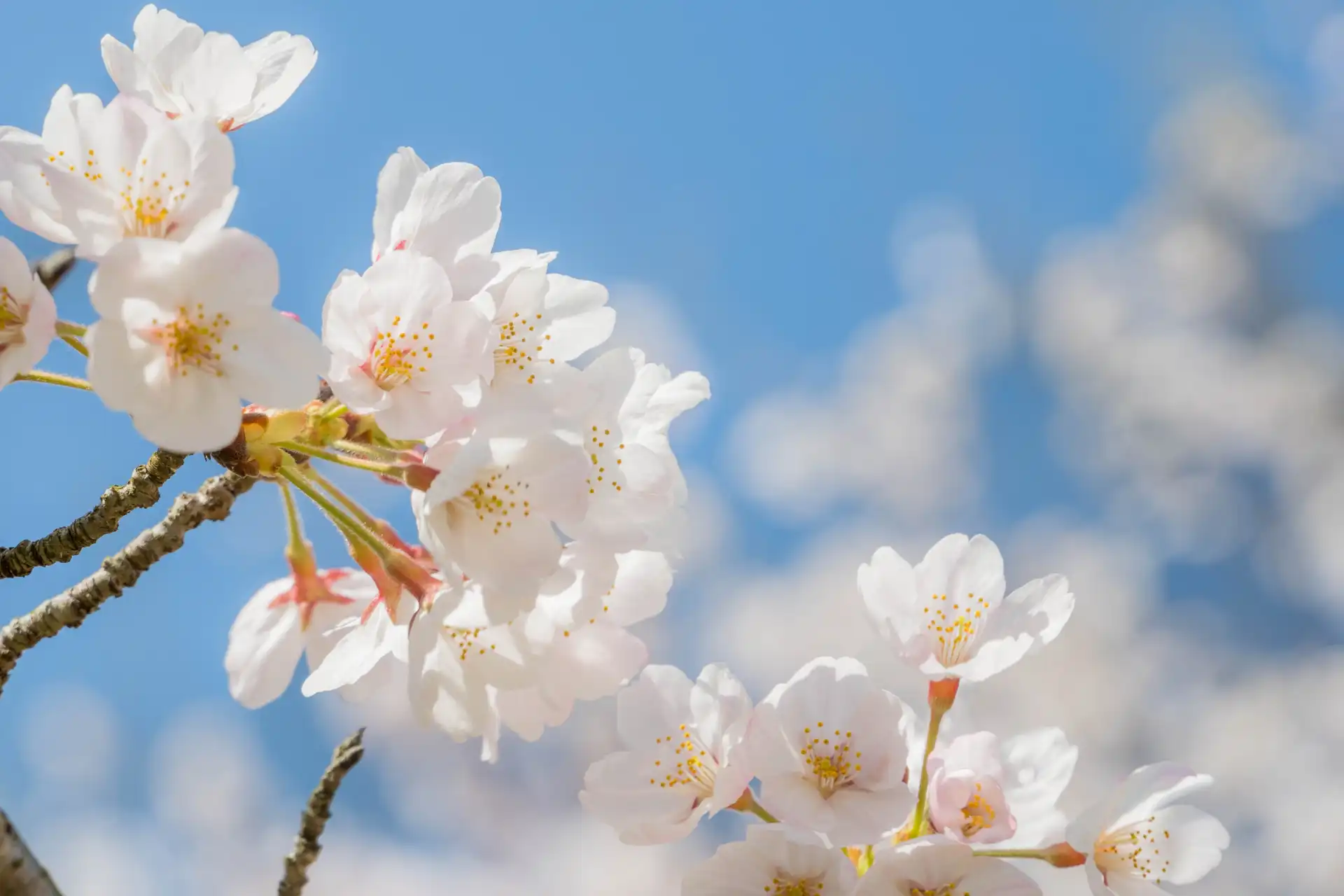
The charm of Gifu is the changing of the seasons, which is hard to experience abroad, such as cherry blossoms in spring, fresh greenery in summer, autumn leaves, and snowy landscapes in winter. Experiences that allow you to coexist with nature, such as mountain climbing, skiing, and hot springs, will make for memorable trips.
Top 5 popular tourist destinations: Highly rated by foreigners
World Heritage Site Shirakawa-go
One of Gifu's most famous tourist destinations is the World Heritage Site, Shirakawa-go. It offers a different look each season, spring, summer, fall, and winter, and its unique charm lies in the cluster of thatched-roof houses known as "gassho-zukuri." The winter illuminations, in particular, have been described as a "fairytale world enveloped in snow," and have been featured in media around the world.
Takayama's old townscape
Hida Takayama, known as "Little Kyoto," has an unbroken chain of streets that retain traditional Japanese architecture and streetscapes. The morning market, which has continued since the Edo period, and historical buildings such as Takayama Jinya are also very popular, making it a standard course for group tours from overseas.
Gujo Hachiman, the city of water and dance
Gujo Hachiman, also known as "Japan's most beautiful water town," is famous for its pure water and Gujo Odori dance. In the summer, a traditional event called "Tetsuya Odori" is held, and the number of foreign tourists wishing to participate is increasing every year.
Relax in Gero Onsen
Gero Onsen, one of Japan's three most famous hot springs, is also a popular tourist destination for foreigners. With beautiful townscapes, easy-to-enter day-trip hot springs, and an increasing number of English-speaking inns, you can enjoy a comfortable stay without having to worry about language barriers.
Mino City, the home of Mino Washi paper
Mino City is famous for producing handmade washi paper, and you can even experience making washi paper yourself. This experience is especially popular with foreigners who value hands-on tourism, as you can take home the washi paper you made yourself as a souvenir.
Experience traditional culture and modern activities in Gifu Prefecture
Traditional craft experience
Gifu has a unique artisan culture, with craftsmanship such as Hida Shunkei lacquerware, cutlery, pottery, and paper lanterns. There are experience classes available in various locations, making it popular among foreigners with a strong interest in Japanese culture.
The appeal of staying in an old Japanese-style house
There are many accommodations in the Shirakawa-go and Takayama areas that have been renovated from old houses. By staying in such places, you can get a firsthand experience of traditional Japanese life.
Agricultural experience and local cuisine making
Japanese farming experiences, which are not well known overseas, are also popular. For visitors to Japan, the experience of harvesting, cooking, and eating the produce themselves becomes a precious memory.
Kimono rental and walking around town
In Takayama and Gujo Hachiman, you can rent kimonos and enjoy strolling around the town, blending into the scenery. The townscapes are photogenic, making it a very appealing experience for the social media-using generation.
Access and Transportation: How easy is it for foreigners to get to Gifu?
Gifu Prefecture is located in the Chubu region and is easily accessible from Nagoya, Osaka, and Tokyo. It is a 90-minute drive from Nagoya, and is also easily accessible by train.
Foreigner-friendly transportation infrastructure
Multilingual guide signs and bus apps are also being developed, and major tourist areas are being designed to make it difficult for foreign tourists to get lost. Many people use JR trains, express buses, and rental cars, so it is convenient to prepare an English guide map before traveling.
Tourist taxi service
The number of tourist taxis with English-speaking drivers is also increasing, making them a safe means of transportation for elderly people and foreign families with children.
A gourmet tour of Gifu Prefecture: Tastes raved about by foreigners
Hida beef and local cuisine
Gifu's signature gourmet food is Hida beef. Its mellow flavor is world-class. Even foreigners who are not familiar with sushi or sashimi can easily enjoy it as steak or yakiniku. Other popular local dishes include simple yet flavorful dengaku, hoba miso, and keichanyaki.
Gujo miso and Mino vinegar
With an increasing number of foreigners becoming interested in traditional seasonings, the ability to tour and purchase seasoning factories such as miso and vinegar is also appealing. Locally made fermented foods are also in line with the global health trend.
Recommended accommodation: A comprehensive range of services for foreign tourists
An inn with English-speaking staff
Hida Takayama and Gero Onsen have many accommodations with English-speaking staff, and they are considerate of a variety of needs, including vegetarian menus and religious dietary options.
Interaction experience at a guesthouse
Guesthouses are a popular style of accommodation for foreigners as they are a place for travelers to interact with each other. They offer the appeal of being a place where you can get information about the city and connect with local people.
Souvenirs and Shopping: Gifu Souvenirs Popular with Foreigners
Hida woodwork products
Hida's wooden products are extremely popular among foreign tourists who are particular about handcrafts. Not only furniture, but also key chains and tableware make perfect souvenirs.
Washi products and Japanese goods
Lanterns and paper accessories made from Mino washi paper are popular souvenirs that exude a uniquely Japanese atmosphere. They are also popular with foreigners because they are lightweight and easy to carry.
Seasonal events and festivals
Spring: Takayama Festival
The Takayama Festival, where gorgeous floats parade through the town, is one of Japan's three most beautiful festivals and has attracted attention from around the world. It is an experience that even foreign visitors should not miss.
Summer: Gujo Dance
The Gujo Odori dance is a participatory event where you can experience Japanese culture while wearing a yukata kimono and dancing together. Many foreigners visit Gifu for this festival.
Autumn: Chestnut Kinton and Autumn Leaves
The season is truly relaxing, with autumn flavors, including Nakatsugawa chestnut kinton, and the spectacular scenery of autumn leaves. Foreign language maps are available for autumn foliage spots such as the area around Gifu Castle and Ena Gorge.
Winter: Snowy scenery of Shirakawa-go
The illuminated Gassho-zukuri houses and snowy scenery are perfect for Instagram, and have attracted a lot of attention from Europe.
How to overcome etiquette, culture, and language barriers
A guide to Japanese etiquette
For foreign tourists, Japan's unique manners and customs can be a source of confusion. Many tourist information centers distribute etiquette guides written in English, so checking them out in advance will make your trip more comfortable.
Use free Wi-Fi and translation apps
Many facilities in Gifu Prefecture have free Wi-Fi, and even those who are not confident in their conversation skills can get by by using Google Translate or Japanese language support apps as needed.
summary
Gifu Prefecture is an area where foreign tourists can experience all the joys of traveling in Japan. It's like a treasure chest packed with nature, culture, history, cuisine, and warm-hearted people. From the World Heritage Site of Shirakawa-go to the townscape of Takayama, Gero Onsen, Mino Washi paper, Hida beef, and colorful seasonal festivals, Gifu offers the perfect setting for experiencing Japan. With convenient transportation and a growing multilingual infrastructure, it's becoming increasingly accessible. If you're planning on showing your foreign friends or family around, this article will provide you with information that goes beyond what you'd find in a guidebook. On your next trip, we hope you'll experience the profound charm of Japan in Gifu Prefecture.
Today's article was What is the charm of Gifu Prefecture that foreign tourists love? A travel guide that delves into nature, history, and culture from 「せんりみち」.
We hope that you will also discover new knowledge from the #tag keywords below.